Growing Safety And Security: Belonging Based Training in a Supportive Farm Area
Mornings on the ranch begin prior to eviction opens. You can listen to the soft shuffle of unguis in the sand, swallows mapping arcs in the rafters, and the sort of quiet you can feel in your ribs. By the time the very first participant actions from gravel to barn aisle, the herd has already checked and settled. This is when mentoring starts, long prior to a word is spoken. A horse flicks an ear, a client breathes out, and a discussion materializes that lugs a lot more fact than the majority of conferences at a boardroom table.
Belonging based training is not a strategy as high as a posture. It starts from the presumption that people move toward development when they feel seen, risk-free, and component of something. Steeds, with their truthful feedback and clear borders, aid us build that ground underfoot. The ranch becomes the space where you can try once again, without needing to perform.
What belonging seems like around horses
Belonging is not a slogan on a barn wall. You can tell it exists when individuals stop bracing. Shoulders drop. Jokes land. The reluctant teen strokes a muzzle and forgets to see himself for a moment. The exec stops planning her answer while her colleague speaks and determines to pay attention, actually listen. In the most effective sessions, the nerves takes the lead, and tags arrive after the body recognizes what is true.
In my work with equine-assisted mentoring and restorative horsemanship, belonging arises from 3 ingredients that enhance one another. First, the herd, which models collaboration and boundaries moving. Second, the ranch environment, which welcomes sensory interaction rather than screen-driven alertness. Third, the assistance, which slows points down and utilizes common tasks as entrances to understanding. When these align, equine-assisted services shift from unique activity to dependable container, the kind people go back to because they can inform the ground holds.
Why the steeds matter
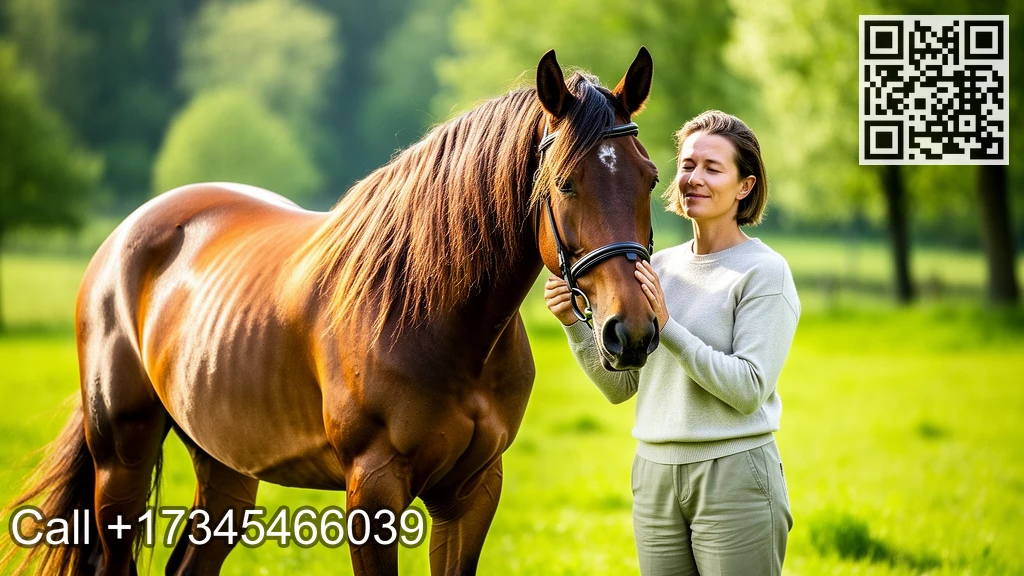
Horses are target pets. Their survival has actually constantly relied on reading the room, which is to state checking out the body and breath of whatever around them. They do not appreciate your title, your diagnosis, or your manuscript. They care if your feet are stable, if your emphasis is spread, if your ask is as well loud or also vague. You can muscle a door open; you can not muscle a thousand-pound animal right into trust.
For a client that has actually found out to mask, this is disarming. For someone that leads with appeal, it can be annoying initially, then clearing up. Steeds see what you do, not what you claim. In equine-facilitated training, we use this to brighten just how patterns turn up. Are you overhelping? Ask an equine to follow you with a set of cones and watch what occurs when you rush ahead without checking in. Are you conflict averse? Attempt setting a clear border with a mare who maintains nosing into your room and feel what it is like to be firm without being harsh.
Because comments from the herd is immediate and unpoliticized, it lands with a various weight. The change process ends up being experiential discovering with equines, not a lecture. Lungeing a gelding who mirrors your skittish rate, after that seeing him settle as you resolve, seems like direct evidence that self-regulation is transmittable. It is one thing to be informed that visibility issues. It is another to see an equine select you because you lastly got peaceful enough to be trustworthy.
The farm itself as a supportive space
I frequently satisfy clients that do not recognize how much power they spend filtering noise, light, and social signs. On the farm, all the common rubbing factors loosen a notch. The air scents like hay and dirt, not disinfectant. We trade fluorescent lights for sky. The acoustics of a barn request conversational tone, not forecast. Your footwear get a little dust which is not only enabled, it serves. Sensory inputs are abundant and trackable, instead of chaotic.
This issues especially for folks looking for Alternative treatment for sensory challenges. The rhythm of a steed eating hay, the warmth along a flank in winter months, the low-key thud of hoof on packed planet, these are grounding signals for a nerves that has actually found out to defend itself by tuning out or turning up. In a supportive farm space, individuals can expand their home window of tolerance without being swamped. We adjust strength by moving from stall to sector to pasture, by picking a silent gelding over a lively mare, by determining to observe prior to we touch.
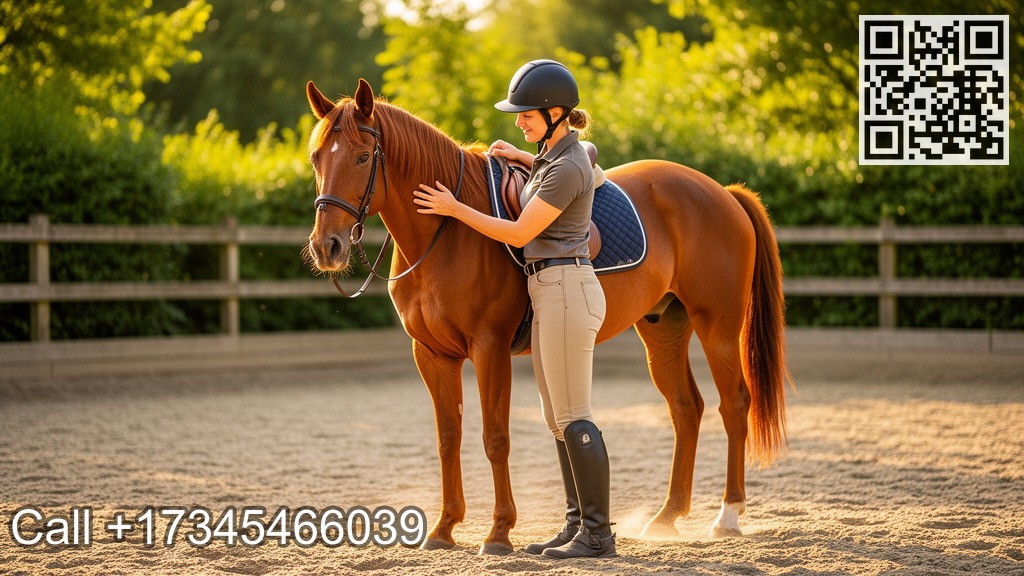
I have seen young clients on the autism equine learning program discover their first certain stride walking next to a pony, small hand on lead rope, duplicating a basic hint https://cesartqjm591.urbanvellum.com/posts/depend-on-settles-equine-facilitated-mentoring-for-authentic-connection sequence up until it becomes a song their body knows inside out. Moms and dads commonly wreck when they watch. It is not the romance of horses. It is the evidence that their youngster can absorb the globe and respond, without shorting their very own circuits.
Safety as approval, not simply helmets
We yap regarding physical security in equine-assisted activities. Helmets fit, boots secure toes, gates lock, and we never ever faster way a method because the steed looks drowsy. That stated, the safety and security that alters individuals is relational. Authorization is the spinal column of our job, spanning human and horse. We ask before we touch. We wait on an of course that is not unclear. We recognize a no, also when it is troublesome for the schedule.
I begin every program with an approval ritual that is basic and non-performative. It cues participants that their experiences matter greater than my agenda, and it educates them to look for the equine's signals with the same respect. With time, this ends up being society. Individuals scan ears and eyes. They observe yawns and lowers of the head. They learn that going back can be a brave move.
Here is a portable checklist we keep visible in the arena whenever sessions are energetic:
- Is everybody right here on purpose, and can they march at any time without penalty?
- Has the equine chose in, showing relaxed posture and strategy, not simply tolerance?
- Do all trainers know the plan, the exits, and their duties, including that claims stop?
- Are sensory demands named and supported, from ear defense to damage spaces?
- Has the group settled on signals for time out, slow, and no?
Consent is not soft. It is solid enough to lug conflict. The 10-year-old that states no to riding today and discovers grooming instead is developing a muscular tissue we desire him to have. The manager who stops a group exercise because her chest is limited is modeling attunement, not frailty. Equines mirror that clarity. When we value a horse's no, he frequently uses a much more honest yes next time.
Who benefits, and just how we tailor the work
People get here for different reasons. Anxiety assistance with horses is a typical entry point for grownups who have actually tried talk-based mentoring yet can not change the sensation of dread that buzzes via their mornings. They typically lug their shoulders by their ears and talk as if apologizing for taking area. In the sector, we start with grounding through the detects, not cognitive reframing. We may count steps in time with a gelding's stroll, or match our breath to the brush's stroke, down the neck, pause at the shoulder, up the hair. Somatic recovery with equines is not mystical. It is patient, recurring, and anchored in today tense.
Families searching for ADHD equine discovering support desire activity without disorder, difficulty without consistent improvement. Steeds succeed right here. They reward clearness, not complexity. We structure brief series that develop executive feature: halter, result in a marker, stop, back two actions, take a breath up until both of you soften, after that transform. The goal is not obedience drills. It is exercising initiation, follow up, and repair when a sign obtains garbled. Lots of kids that battle to rest still can stand extremely still when a horse's muzzle is in their hands, breath cozy on their knuckles, due to the fact that it ultimately matters.
The autism equine discovering program on our ranch mixes regular with option. We maintain shifts foreseeable and visual, yet we offer real decisions that carry weight. Which brush initially. Which path with the cones. Where to stand to be very easy to comply with. Some sessions remain on the ground for months. For others, riding at the stroll becomes part of the strategy, with 2 side walkers and a leader till the motorcyclist shows enough trunk control and directional understanding to reduce assistance. The measure is not speed up of innovation. It is the rider's law and agency.
Adults who enroll in equine-facilitated wellness typically name anxiety and disconnection from their very own bodies. They seem like a head lugged around by an unwilling neck. With them, I incorporate in-barn stops briefly that look like "nothing," and those minutes wind up being the heart of the method. Rest on a hay bundle, see the mare beverage, count your swallows, really feel where your hips link to the bundle. Speak only if something is noticeable. After that attempt the ask once more. Equines choose contradiction-free requests. So do people.
Program form, from arrival to integration
A well-held session really feels seamless, also when a dozen micro-decisions are moving under the surface. I favor a constant arc that provides customers time to get here, engage, and incorporate. It works for people and for team structure with steeds when we organize leadership teams from little firms.
Here is the easy four-phase circulation we utilize usually:
- Arrival and orientation: park, walk the border, a short briefing, gear check, and common introductions. Objectives are named lightly, commonly by defining what would feel various by the end.
- Groundwork involvement: pairing with an equine for monitoring, grooming, leading, and one or two shaped jobs matched to ability. Spoken processing stays marginal at first, after that develops as quality appears.
- Reflection moving: slow-moving walk around the field side or seated pause in the arena, articulating what was seen, not why it happened. If riding is part of the plan, it usually takes place right here at the walk.
- Integration and leave: translate understandings to every day life with one concrete commitment, schedule the following session, and dissolve the work with a final look at state. Leave time to stand at the fencing line a min before you hit the gravel.
Compression is tempting, particularly with company teams. It rarely aids. A 90-minute block is optimal for people. For groups, half day is the minimum that permits safety rundowns, experiential exercises, and real representation without rushing. The very best feedback we get after these events is not "that was enjoyable," though it often is. It is "I recognize what to alter on Monday, and I currently started."
How teams grow in the arena
If you intend to evaluate a team's capability to interact, give them a vague task and a brief target date. If you desire them to improve, put them with a horse and request a specific result that requires nonverbal coordination. As an example, relocate a horse with a series of challenges without touching his halter. People will certainly speak, after that chat louder, after that understand the equine is standing with a bemused look waiting on someone to get consistent.
The patterns surface area rapidly. A set prepares meticulously and never ever actions. Another set acts emphatically and leaves half the group behind. In great assistance, we stop briefly the activity and reset the framework: how will the horse know what you are asking, and that is answerable for stable get in touch with? When groups understand that quality and timing matter greater than volume, the energy in the field changes. Equine-facilitated mentoring makes abstractions responsive. You can see trust, feel it in the rope, view it wobble when stress and anxiety spikes, and recover it with a breath and a softer hand.
I bear in mind a logistics company's procedures team who spent twenty mins falling short to ask a mare to step onto a low bridge. They were used to yelling against noise and hustling pallets with forklifts. When they quieted down and someone breathed enough time to match his ask with a release, the mare tipped up. Their debrief did not point out equines. It named handoffs, duplicative directions, and the expense of hurrying under pressure. They transformed one radio protocol the following day and reported less missed out on loads that quarter. That is equine-assisted coaching doing its job off the farm.
Coaching, treatment, and when to refer
Lines matter. While some programs are supplied by licensed mental health professionals under an equine-assisted services version, much of what we do sits in mentoring and knowing, not psychotherapy. We work on abilities, regulation, interaction, and management behaviors, and we do it in partnership with horses. When trauma web content surface areas that would gain from medical support, we decrease, hold the limit, and refer. Clients should have a clear contract concerning scope from the outset. A great farm belongs to a network, not a cosmos unto itself.
Therapeutic horsemanship, which focuses on creating riding and horse-handling abilities for people with diverse capabilities, has its own criteria and training pathways. It overlaps with our work but is not the same. A healing riding lesson has actually objectives like enhanced balance, reciprocal sychronisation, and independence at the stroll. An equine-facilitated wellness session could never accumulate, yet deliver a profound shift in exactly how a participant experiences threat and security. Both belong. Clarity regarding which you are offering stops overpromising and keeps steeds and human beings safe.
Measuring what matters
It is simple to oversell influence by leaning on miracle stories. I choose steady metrics that value complexity. We track participation, conclusion of goals set at intake, self-reported shifts on a three-item law scale, and, with approval, brief qualitative notes from caretakers or supervisors. For group programs, we request for one habits change to carry out within 2 weeks and comply with up at 30 and 90 days to see if it stuck. Numbers are not the whole picture, however they extract hopeful thinking.
Horse well-being is a metric also. We log session tons per equine, rest days, veterinary and farrier care, and evident tension indicators like tail swishing, pinned ears, or refusals. If a steed pulls out greater than a handful of times in a month, we reassess his role or workload. Our obligation of treatment goes both directions.
Ethics and the steeds' say
Clients commonly ask if the steeds like the work. Some do, simply. They stroll to the gate when the van pulls in and plant themselves by familiar faces. Others are much better matched to pasture-based duties or single-client work. Matching character to job is an ability worth exercising. The saintly lesson horse is not always the best partner for an extremely nervous adult. Often a more expressive gelding that shows his displeasure welcomes better limits and a truer connection.
We never ever make use of a horse to accomplish a human advancement. If a steed reveals regular pain with a game, we retire the game. If a client intends to ride but the horse has an aching back, the ground is our class that day. The compromise is that we occasionally let down people in the minute to shield the relationship long-term. That is a kind of coaching too.
Edge situations, restrictions, and sincere limits
An encouraging ranch area is not a cure-all. Climate shapes plans. Heat and humidity narrow home windows of secure physical effort, especially for older steeds. Cold enhances stiffness for bikers with joint discomfort. Allergies can thwart best-laid objectives; we keep antihistamines accessible and ask people to consult their suppliers beforehand. If an individual is clinically unsteady, actively psychotic, or incapable to comply with fundamental safety cues, equine work might need to wait or be greatly modified.
Cost is an actual obstacle. Equines consume whether or not programs run. We offer sliding scale ports moneyed by donors and run group sessions that lower per-person prices. We likewise instructor caretakers to equate barn learning to home or school, so the worth keeps compounding in between sees. For some, virtual follow-ups keep energy when traveling is difficult. While that loses the steed's real-time existence, it helps incorporate gains and protects budgets.
Getting began, and what to try to find in a provider
Not every place that puts a person alongside a steed is doing the same work. Ask exactly how teachers are trained and by whom. Certifications matter much less than demonstrated capability, but credentials from trustworthy bodies reveal a dedication to standards. Tour the ranch. Check out the horses' eyes. Are they interested or shut down? View a session from the rail with authorization. Do you see consent signals honored at a strolling rate, or are individuals rushed with picture ops?
An excellent fit appears in the consumption conversation. If the provider can pay attention greater than they pitch, if they can inform you no when needed, and if they can call clear goals that you aid specify, you are on the best path. For school districts, request for educator-friendly documents. For facilities, request for instance coordination processes. For families seeking Alternative therapy for sensory challenges, excursion at a peaceful time, observe your kid's hints, and trust fund what you see.
A quieter ending that maintains working
Toward completion of last autumn, among our long-time participants showed up roughened by a hard week. He stood at the fencing line for 10 mins without requesting a steed. The gelding he usually deals with strayed over, not crowding, just nearby. The man started to take in a steadier rhythm. He named one thing he might do that evening to make early morning much easier, then spent the next half hour brushing up the barn aisle in long, unhurried strokes while the gelding dozed in the sun. He left without a significant insight, simply steadier than he came. Two days later on he sent out a brief note: slept with, didn't squeeze on waking. I maintain that message as a reminder.
Belonging based mentoring expands in the regular. It does not require drama. It stays in clear asks, reasonable boundaries, and the nerve to let a herd of horses inform you when you have discovered the appropriate rate. When individuals really feel secure adequate to be precisely where they are, alter occurs the means periods do on a farm, with even more persistence than spectacle, and with roots tough sufficient to hold through weather.
Happy Hooves Wellness
9177 Gross Rd, Dexter, MI 48130
+17345466039
https://www.hhooves.com/