Whole-Body Wisdom: Healing Horsemanship for Mind-Body Combination
Walk into a quiet barn on a weekday early morning and you will certainly feel it before you see it. The air hums with hay-dust sunshine. A mare flicks an ear toward the door, takes you in, then returns to her hay with the slow-moving certainty of an animal that reviews bodies for a living. This is where many individuals first discover their breath again. Not since somebody told them to inhale for a count of 4, yet because a thousand-pound nervous system is standing three feet away, inviting steadier pacing without a solitary word. That is the ground floor of mind-body integration in healing horsemanship.
What restorative horsemanship really means
The phrase is a large outdoor tents. Programs that rest under it consist of equine-assisted services that concentrate on wellness end results, equine-assisted tasks that emphasize discovering and leisure, and equine-assisted mentoring for individual and specialist advancement. Some facilities focus on equine-facilitated health, which mixes way of life and stress-management skills with horsemanship. Others run an autism equine learning program with certain interaction goals or ADHD equine finding out assistance that targets attention, timing, and impulse control. There are likewise offerings for stress and anxiety support with steeds, and alternative treatment for sensory challenges that may include both mounted and unmounted experiences.
Not every program is psychiatric therapy. Some are designed by instructors, occupational therapists, or PATH Intl. Licensed teachers. Equine-facilitated coaching works on management, feedback, and visibility for people and teams, commonly labeled as team structure with steeds. If your goals include trauma handling or medical mental health and wellness, seek a program with a licensed medical professional that integrates equine-assisted solutions right into treatment. If your goals are learning-based, search for teachers with flexible training qualifications and a clear extent of practice.
Why horses assist the body and the mind sync up
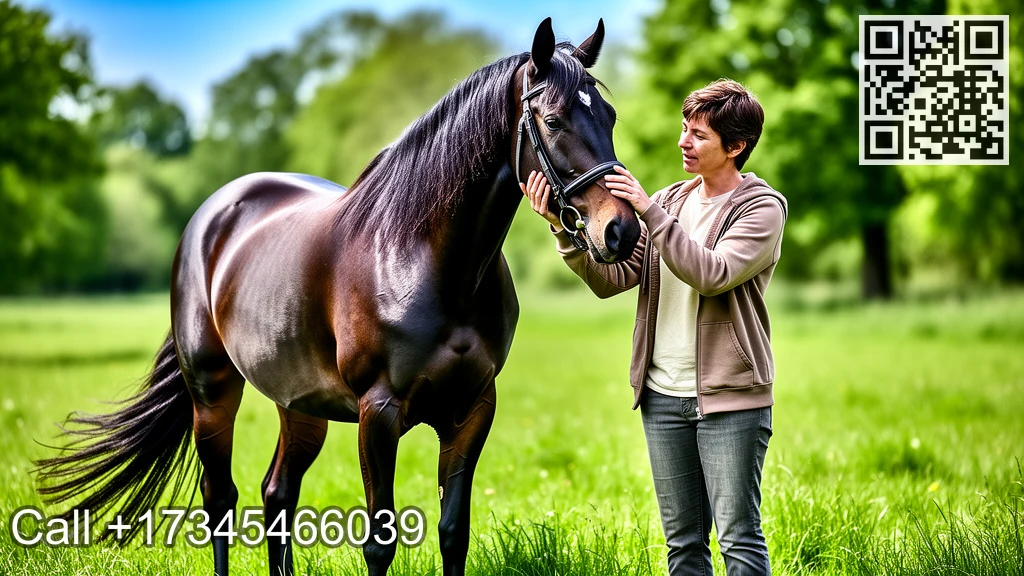
Horses are target animals, wired for fine-grained social attunement. They frequently ask, Am I risk-free, and with whom. That inquiry goes through their bodies as much as their minds. Your stance, muscle tone, and micro-movements talk more noisally to a horse than your words. The result is a mirror that tracks your nerve system in genuine time. When individuals discuss somatic recovery with steeds, they are pointing to this live psychophysiological feedback loop.
Three devices appear over and over:
-
Rhythm and vestibular input. When mounted, a steed's walking gait relocates a biker's hips in a pattern comparable to human walking, around 90 to 110 steps per min. Physical therapists use that rhythm to arrange the vestibular system and assistance core stability. Even unmounted, leading an equine at a consistent rate entrains breath and stride.
-
Pressure and launch. Horses pick up from the feeling of stress and the alleviation that complies with. Human beings do too. Apply a light ask via a lead rope, feel the horse yield, after that soften. That timing maps straight to borders, permission, and interpersonal timing. Lots of clients bring the experience right into their day-to-day communication.
-
Co-regulation. People report calmer breathing and reduced regarded stress and anxiety after communications with a settled horse. Some little studies suggest heart price irregularity changes throughout horse-human communication, though results vary. What I observe session by session corresponds: clients begin to notice internal signals, then react to them with ability rather than habit.
Mind-body assimilation takes hold when these items collaborate. You discover your limited shoulders while cleaning a gelding's withers. You attempt a slower stroke. He reduces his head, exhales, and you feel your very own exhale grow. That loop of stimulus, understanding, and selection is the point.
A normal session, without the fluff
Most sessions run 45 to 60 mins. We begin with arrival and positioning, giving time for the change from website traffic and screens to straw and hoofbeats. Safety and security checks follow: headgears for mounted job, closed-toe footwear, medical signals noted, and a fast read of exactly how the steed and human are showing up that day.
Grooming is not busywork. It is sensory input, bilateral motion, and relational responses. The brush hand circles, the free hand steadies, and the body moves in a cross-midline pattern that supports control. Individuals that have a tendency to hurry often sluggish right here if the steed supports. People that tend to think twice frequently locate a clear rhythm when the horse leans into a curry comb with obvious pleasure.
Groundwork is where numerous equine-assisted tasks beam. Leading from different placements, browsing cones and posts, or exercising stop and go with only a breath and a change of weight invites understanding without pressure to execute. For some clients, placed job adheres to. For others, continuing to be on the ground is the safest and most reliable course. I have actually coached executives through equine-assisted training sessions that never left the sector fencing, and they won sharper, kinder leadership.
You can leave sensation taller, clearer, and often weary. That tiredness is normally the body incorporating brand-new patterns.
What to wear and bring for comfort and safety
- Close-toed shoes with a flat sole and tiny heel if riding
- Long trousers that enable motion and prevent chafing
- Layers for altering weather condition, plus sun protection
- Water and any kind of personal medical items such as inhalers or EpiPens
- A spirit of inquisitiveness and a determination to stop when you or the equine requirement it
Real people, actual shifts
A teenager with ADHD came for six sessions. In the very first, he yanked the lead rope as if it were a video game controller. The equine thought twice, turned his head, and quit. We exercised waiting until the line subsided, then asking for one action. By session 3, the teenager can walk serpentine patterns with light get in touch with, and his mommy noticed fewer blowups throughout research. The distinction was not magic. It was experiment timing and aggravation tolerance, awarded by a thousand extra pounds of prompt, honest feedback.
A grown-up client with anxiousness started in an equine-facilitated wellness program after anxiety attack at the office. Placed work set off dizziness, so we remained on the ground. She found out to count 3 breaths prior to each ask, to soften her knees when the horse nudged into her room, and to finish with three mins of quiet at the fencing. After 2 months of once a week sessions, she reported capturing early indications of spiraling at her workdesk and using the very same breath-and-soften regimen, minimizing the frequency of attacks.
A nine-year-old on the autism range got in an autism equine discovering program concentrated on sensory modulation and interaction. He disliked sound and unforeseen touch. We established a foreseeable grooming series, made use of a weighted brush he picked, and introduced a basic yes card and no card for choices. Over twelve weeks, he proceeded from staying near eviction to brushing both sides of a patient mare and leading her over a solitary ground pole. His educators later added a similar yes-no system throughout shifts at school.
These are not remedies. They are shifts. Relocating from sensitivity to response, from disconnection to felt sense, is the sort of adjustment that sticks because the body recognizes it.
The training and group side: horses as colleagues
Equine-assisted training is not concerning horsemanship proficiency. It has to do with how your intention, existence, and timing impact influence and depend on. I as soon as dealt with a supervisor that stated, My group drags their feet unless I stand over them. In the arena, he attempted to send a steed through a narrow chute by strolling behind with huge motions. The steed pinned his ears and drifted off. We altered one variable: the manager walked next to the horse's shoulder, eyes soft, breath slower, with a clear point precede as a shared target. The equine moved via on the very first shot. The supervisor later explained using the same approach with a silent employee by setting a shared outcome and examining his own rate. Productivity rose, and so did the team member's confidence.
Team building with equines stays clear of depend on drops and glides right into genuine control. Groups find out to plan, appoint duties, and adjust when the horse, a really honest teammate, provides unfiltered comments. I like brief sequences with debriefs in between. People discover that over-communicating can crowd the steed, under-communicating leaves him presuming, and coinciding communication resembles a body and a voice stating the very same thing.
Safety, principles, and good judgment
Horses are not tools. They are sentient partners with requirements and restrictions. Ethical equine-facilitated programs shield the physical and psychological welfare of their horses as a standard. That consists of yield with suitable herd-mates, sufficient forage, saddle fit checks, dynamic conditioning, and rest days. In session, horses can pull out, alter jobs, or take breaks. Clients find out permission by exercising it with a pet that is not required to comply.
For humans, safety helmets for placed job are typical. Closed-toe shoes, clear emergency situation treatments, and informed permission are non-negotiables. There are contraindications: current blast, breakable bones, unchecked seizures, or active psychosis. Allergic reactions, fear of pets, and weather condition sensitivity matter and can be suited with changes. Great programs refer out when something exceeds their extent and work together with therapists, doctors, and institutions when appropriate.
A word on weight limitations: liable facilities upload tack and horse-specific limits, normally in the 15 to 20 percent of the equine's bodyweight variety when considering motorcyclist and tack combined. This is not regarding judgment. It is about biomechanics and welfare.
How outcomes turn up and just how we gauge them
In professional setups, you may see verified measures for anxiousness signs and symptoms, balance, or attention. In education-focused equine-assisted activities, we track skills: variety of self-initiated breath resets throughout a task, time on task while grooming, variety of effective transitions between halt and walk without drawing the lead. For equine-assisted mentoring, results consist of clearness of demands, reduced conference times after sessions, or reduced dispute in a details project.
Subjective changes matter too. Moms and dads say, He rests better after sessions. Educators note, She elevates her hand much more. Customers report feeling their feet on the ground. I request for both type of data. Numbers secure the story so we know if we are in fact helping.
Trade-offs, restrictions, and practical hurdles
Weather can derail sessions. Rain, warmth, and icy footing are not minor aggravations. Programs require indoor spaces or adaptable schedules. Expense is real. Rates vary widely by region, staffing, and facility expenses. Some centers use scholarships, moving ranges, or group sessions to maintain gain access to sensible. A typical pattern is once a week sessions for 6 to twelve weeks, then a review for objectives and budget.
Horses are not a suitable for everybody. Some people continue to be as well scared to benefit. Others discover their learning edge elsewhere. For injury survivors, equine-assisted services can be powerful, but they can additionally activate strong reactions. That is where a licensed psychological health specialist and careful pacing make the distinction between development and overwhelm.
Quality varies. Certifications https://blogfreely.net/galairgwxr/round-up-harmony-group-building-with-equines-for-communication-skills such as Course Intl., Eagala, and CHA signal requirements, yet they do not replace experience and fit. Go to. View. Count on your gut.
Choosing a program: clever questions to ask
- What are your team qualifications, and that leads my sessions
- How do you analyze goals and track progress
- What equines will certainly I collaborate with, and how do you ensure their welfare
- What are your safety and security procedures and contraindications
- How do you collaborate with my therapist, physician, or institution if needed
For parents and educators: turning the field into a classroom
ADHD equine finding out assistance works when sessions target executive function with activity. Establish a brief training course with clear waypoints. Ask the student to forecast the course out loud, after that run it with the steed at a stroll, after that examine what functioned. Make use of the steed's preference as feedback. If the steed wanders, go over whether the ask was uncertain or the environment distracting. Timers assist. So do concrete goals like full the figure-eight with soft hands twice.
For learners with sensory challenges, start with foreseeable routines. Some react better to the steady stress of grooming a big muscle mass group such as the shoulder than to light, ticklish strokes. Develop an aesthetic schedule on a clipboard that travels from brushing area to sector to cool-down area. An alternate therapy for sensory challenges does not suggest disorganized time. It suggests tailoring the framework to the person's nerves and the horse's comfort.
For autism-focused programming, communication systems matter. A horse does not care whether a hint originates from speech, a motion, or a card, as long as it corresponds and combined with clear timing. I have seen a nonverbal student lead a Shetland horse via a maze with peaceful precision utilizing picture-based triggers, after that move that success right into a classroom shift chart.
Teachers value simple carryover ideas. After a session that highlighted halt-walk transitions with a breath sign, attempt the exact same breath cue at a workdesk before switching over tasks. Collect three data points weekly to inspect transfer.
For adults and leaders: a gym for presence
The arena is unflinching regarding devising and charitable regarding obtaining real. If you are navigating fatigue, equine-facilitated health can provide your body a referral point for rest and effort. Ask a steed to back 3 steps with a soft chest, after that stop completely and feel your feet. Repeat. You will certainly discover where you habitually push previous restrictions and where you under-ask.
For leaders, experiential learning with equines reveals mixed messages. If your words say go and your shoulders claim maybe, the steed will certainly select the clearer message. Practicing congruence right here translates to meetings, arrangements, and mentoring. It is not a metaphor when your breath slows down a skittish gelding and your team later mirrors your steadier cadence when a job hiccups.
The steed's point of view: partners, not props
A well-run program focuses the horse's well-being. That does not simply suggest good hay and tidy water. It means social time with various other equines, species-appropriate motion, vet and dental treatment, correctly fitted tack, and job balanced with remainder. In session, it implies allowing the horse to move far from touch that is too intense, to stop when overwhelmed, and to share curiosity and play. You will discover to review pinned ears, tight lips, or a swishing tail as info, not misbehavior.
I as soon as had a mare that always raised her head when a new person brushed near her girth. We adapted to a softer brush, shortened the strokes, and paused after three passes. She licked and ate, after that dropped her head. The client found out that approval is a relocating target and that experienced touch makes trust fund. The equine stayed audio and prepared since we listened.
Getting began and establishing expectations
Most people start with an intake discussion and an one-time analysis session. Share case history, drugs, goals, and any fears. Expect clear boundaries, practical security methods, and a pace that matches your discovering. Ask about regularity. Weekly sessions develop momentum. Biweekly can deal with home practice. Regular monthly often tends to be more maintenance than growth.
Costs vary. In several areas, sessions range from the expense of a personal riding lesson to prices comparable to psychiatric therapy, relying on personnel credentials and insurance coverage. Team sessions reduced the expense and can include social learning, however they also enhance sensory lots. Evaluate the compromises.
Progress is not straight. Some days you will certainly really feel experienced. Some days the wind rattles the arena roofing system and everybody, human and steed, is a bit much more sharp. That variability is part of the training. Learning to change your internal state without surrendering your objective is an advanced skill.
Bringing the field home
The body learns by doing. After sessions, I provide simple bridges:
-
Match your breath to your footprints for 2 minutes on a daily walk, the way you matched your stride to an equine on the lead.
-
Practice pressure and launch with a door. Apply consistent stress to the deal with, feel the lock provide, after that soften your hand. Notification how much effort was in fact required. Use that level of clarity in a difficult conversation.
-
Set a three-breath time out prior to any type of digital reply that lugs heat. You found out to wait on a horse's ear to flick prior to asking again. Deal the exact same area to a colleague.
-
Keep a tiny card in your pocket with one felt-cue you like from the barn, such as soft knees or lengthy exhale. Use it during commutes and before meetings.
Small routines keep the nerve system secured to the lessons your body already understands.
Final ideas from the center of the ring
Therapeutic horsemanship is not a novelty. It is a disciplined craft built at the intersection of pet behavior, human learning, and compassionate existence. Whether you are checking out equine-assisted activities for a kid, equine-assisted mentoring for your management, or equine-facilitated health after a harsh period, the field provides a clear mirror. You show up as you are. A horse appears as he is. With each other you exercise timing, limits, breath, and trust.
If you select meticulously, respect the equine, and commit to the job, you will likely discover what a lot of of us have located in between hoofbeats and hay: your body recognizes the method to solidity, and your mind can discover to follow.
Happy Hooves Wellness
9177 Gross Rd, Dexter, MI 48130
+17345466039
https://www.hhooves.com/